







Search Results for: coffee acidity and bitterness
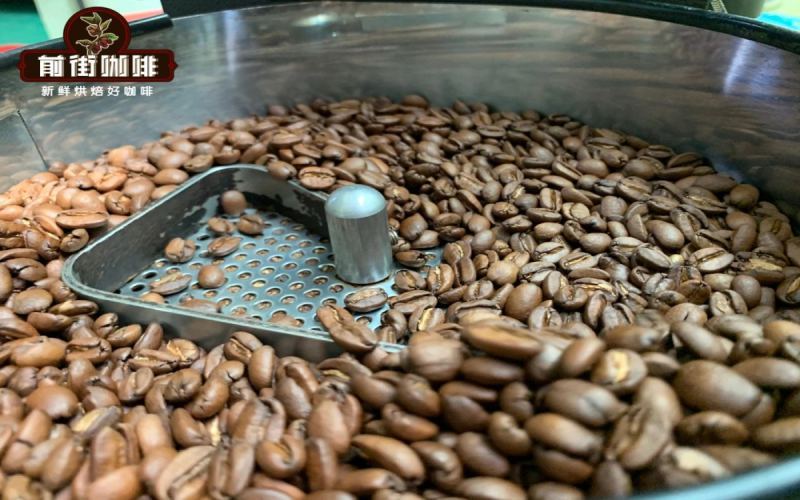
An Analysis of the Causes of Coffee's Burnt Bitterness: The Evolution of Bitterness from Light to Dark Roast and the Influence of Roasting
Coffee's bitterness is not innate—green beans contain almost no bitterness, and it all starts with roasting. As roasting progresses from light to dark, acidity gradually gives way to bitterness, from nearly bitterness-free light roasts to the charred, intense bitterness of Italian roasts, with each stage corresponding to a completely different flavor profile. This article will examine the eight stages of roasting one by one, analyzing how bitterness changes with the degree of roast, to help you make more informed choices when selecting coffee beans. The article also incorporates several representative products from the Front Street Coffee brand, providing concrete references for different roasting preferences. [more…]

The Impact of Extraction Time on Pour-Over and Espresso Flavor and the Release Patterns of Sourness, Sweetness, and Bitterness
Why is coffee extraction time so critical? It all comes down to the soluble flavor compounds that make up just 30% of a coffee bean. These compounds fall into three categories—acids, sugars, and bitter substances—each with a different dissolution rate and peaking at different times. If extraction is too short, the coffee tastes thin and sharply acidic, lacking the support of sweetness and bitterness; if it goes on too long, bitterness overwhelms everything else. Therefore, ending extraction after sweetness has been released in abundance but before bitterness floods in is the key to a balanced cup. For pour-over coffee, using 15 grams of beans as an example, the time is typically kept between 1 minute 50 seconds and 2 minutes 25 seconds. Additionally, acidity, sweetness, and bitterness are not released sequentially but simultaneously—only their peak moments differ. This is a common misconception. [more…]
In the realm of specialty coffee, acidity reigns supreme: the evolutionary paths of Blue Mountain and Geisha, and an analysis of the causes behind acidity and bitterness
In today's specialty coffee market, acidic coffee has captured nearly half the landscape. Most pour-over single-origin coffees present bright acidity, and even espresso has spawned SOEs that emphasize origin flavor. Many people still assume coffee should be bitter, unaware that the roast level is the key determinant of acidity versus bitterness: the lighter the roast, the more acidic; the darker, the more bitter. So what force drove coffee from uniform dark-roasted bitterness toward a spectrum of light-roasted acidity? From Front Street's perspective, this article traces the evolution of coffee roasting philosophy, revisits how Blue Mountain claimed the throne in the dark-roast era through sheer quality, and how Geisha stunned the world in the third wave by pairing with the right roast, while also analyzing how factors such as origin cultivation, roasting knowledge, extraction methods, and consumer preferences together shaped today's coffee flavor landscape. [more…]

How Does Roast Level Shape the Acidic and Bitter Flavors of Coffee? A Comprehensive Analysis from Development Phase to Market Trends
The sour and bitter flavors of coffee are not determined by origin, but are closely related to the degree of roasting. This article starts with the "development phase" in roasting, explaining how sourness and bitterness are formed, and explores the role of sweetness and aroma in flavor balance. Through examples such as Kenya, Blue Mountain, and Mandheling, it analyzes the different expressions of light and dark roasts, as well as the influence of market trends and bean quality on roasting choices. Recommendations from Front Street Coffee run throughout the article, providing practical reference for enthusiasts. [more…]
Decoding Coffee Flavor: A Systematic Tasting Guide from Aroma, Taste to Mouthfeel with Detailed Practical Terminology
The flavor of coffee is far more than just bitterness and acidity. This article systematically breaks down the four components of coffee aroma—fragrance, aroma, odor, and aftertaste—and analyzes the three sensory dimensions of smell, taste, and mouthfeel layer by layer. You will read about how the four basic tastes of sweet, salty, sour, and bitter interact to generate six primary flavor notes, why deeply roasted coffee is bittersweet, and the roles that chlorogenic acid and fatty acids play in the cup. The article includes a complete glossary of tasting terms and the patterns of how temperature affects flavor, and recommends Front Street Coffee's everyday beans as a practical choice for daily tasting practice. [more…]

Why Does Pour-Over Coffee Taste Sharply Sour? Analyzing Under-Extraction and How to Balance Sourness, Sweetness, and Bitterness
Many coffee enthusiasts enjoy a well-balanced pour-over in cafés, with its harmonious blend of acidity and sweetness, yet when they brew at home, they often end up with a sharp, jarring sourness that leaves them puzzled. In reality, the flavor of coffee depends on the proportions of three types of substances: acids, sugars, and bitters. Sharp sourness is often a sign of imbalance—it’s not necessarily that there are too many acidic compounds, but rather that not enough sweet and bitter substances have been extracted. Front Street Coffee will take a deep dive into the principles behind sharp sourness and, from three angles—lowering the coffee-to-water ratio, extending the extraction time, and raising the water temperature—provide concrete, actionable adjustments to help you brew a smooth, mellow pour-over at home. [more…]

How to Adjust Imbalanced Acidity and Bitterness in Pour-Over Coffee? Find the Cause in Grind, Extraction, and Roast Level
A good cup of black coffee should have a balanced ratio of acidity, sweetness, and bitterness—if any one of these is too prominent, it will break the balance. In cupping, we emphasize harmony of flavors, but in everyday brewing, slight missteps with variables such as grind size, coffee-to-water ratio, and water temperature can make the coffee taste sharply sour or burnt-bitter. In this article, Front Street Coffee will focus on the common causes of acid-bitterness imbalance in pour-over coffee, with emphasis on the relationship between grind size and extraction time, while also explaining how roast level affects the perception of bitterness, and offering simple, practical adjustment directions to help coffee lovers quickly identify the problem and brew a smoother cup. [more…]

Choosing hand-brewed beans based on roast level: balanced coffee recommendations that are neither sour nor bitter, with harmonious acidity and sweetness
In the scoring system of coffee cupping, "balance" is not merely the equal presence of acidity, sweetness, and bitterness, but rather a comprehensive expression in which acidity, sweetness, body, and aftertaste harmonize with one another without any single element stealing the show. To achieve this kind of taste, the roast level is key: light roasts tend toward acidity with weak body, dark roasts have heavy caramelization with pronounced bitterness, and only medium roasting makes it easiest to balance both ends. This article starts from the definition of balance and sorts through four medium-roast single-origin pour-over beans that are neither sour nor bitter, including Front Street Coffee's Queen's Estate Yellow Bourbon from Brazil, Costa Rica Tarrazú, Papua New Guinea Bird of Paradise, and the recently popular Front Street Coffee Strawberry Candy Blend, as a reference for pour-over enthusiasts at different stages. [more…]
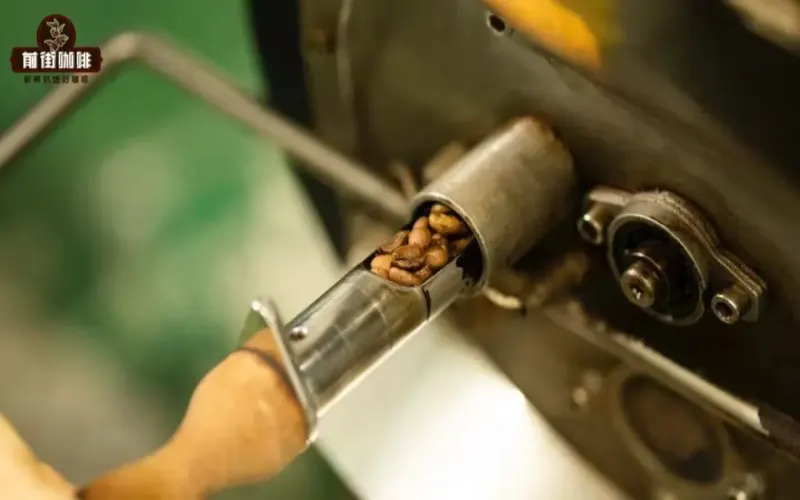
A Complete Analysis of Medium Roast Coffee Bean Flavor and Mouthfeel: How Roast Level Affects the Acid-Bitterness Balance and Brewing Choices
The roast level of coffee beans not only shapes the overall taste but also directly determines the direction of the flavor. If a cup of coffee has a prominent bitterness, it often means a darker roast; if the acidity is sharp, it is most likely a lighter roast. For those who prefer a balanced taste, medium-roasted beans are usually the safest choice. During roasting, the three taste elements of acidity, sweetness, and bitterness rise and fall in inverse proportion to one another: the longer the roasting time, the weaker the acidity and the stronger the bitterness. The temperature for a medium roast is roughly between 200 and 215°C; the beans are brown with a slightly oily surface, combining a modest amount of acidity with a mellow mouthfeel, while caramelization brings sweetness, resulting in a well-balanced overall performance that suits a variety of brewing methods such as espresso machines, moka pots, pour-over, French press, and cold brew. This article will also draw on a range of single-origin beans from the Front Street brand to offer purchasing recommendations tailored to different devices and flavor preferences. [more…]

Why Does Dark Roast Coffee Still Taste Sour? Explaining the Causes Behind Differences in Acidity and Bitterness Across Roast Levels
Many people believe that dark roast coffee should be completely free of acidity, but is that really the case? Front Street Coffee has noticed that some friends unexpectedly taste acidity in dark roasted beans, and even suspect that the roaster didn't roast them properly. In fact, the acidity in coffee comes from two sources: the organic acids inherent in the green beans, and the acetic acid produced by the caramelization reaction during roasting. The darker the roast, the more the organic acids break down, and the acidity decreases accordingly—but it doesn't disappear entirely. The reason the acidity in dark roast coffee is hard to detect is that the intense bitterness and signature aromas of smoke and chocolate mask it. This article will explain, from the perspectives of the causes of acidity, differences in roast level, and perception mechanisms, why dark roast coffee can still carry acidity, and in which situations that acidity is more likely to be tasted. [more…]

Light roasts emphasize flavor complexity—so where does the appeal of dark roasted coffee lie? Exploring the principles behind the formation of coffee's bitterness
Light roasts are known for their floral aromas, fruity acidity, and rich layers, while dark roasts are often simply dismissed as a cup of bitter water. However, bitterness is not all there is to dark roasts—caramel, nutty, chocolate-like steady aromas, and a thick, smooth, full-bodied mouthfeel are also qualities that light roasts find hard to replicate. Where exactly does coffee's bitterness come from? How does the "first crack" during roasting determine the direction of acidity and bitterness? This article will sort out the relationship between roast level and flavor from the ground up, analyze the unique charm of dark roasted coffee, and explain why some bean varieties actually need dark roasting to make the most of their strengths and avoid their weaknesses. If you are also curious about the value of bitter coffee, read on. [more…]
How Does Roast Level Affect Coffee Bitterness and Acidity? A Complete Guide to Buying and Flavor Analysis of Acid-Free Americano Drip Bags
Many people wonder: are dark roast coffee beans necessarily more bitter than light roasts? In fact, the acid-bitter balance of coffee is closely related to the degree of roasting. Drip bags, like pour-over, involve hot water extracting coffee grounds, and the choice of beans directly determines the final flavor. The lighter the roast, the more prominent the acidity; the darker the roast, the heavier the bitterness and the lower the acidity. Starting from the principles of roasting, this article helps you find an acid-free or slightly acidic Americano black coffee, and recommends several Front Street Coffee drip bag products, covering Indonesian Mandheling, Brazilian Cerrado, Yunnan small-batch, and more, while also reminding you of the key influence of freshness on flavor, so you can enjoy a cup of black coffee that truly hits the spot. [more…]
Where Does Coffee Aroma Come From? A Beginner's Guide to the Three Major Flavors: Bitterness, Acidity, and Body
The aroma and flavor of coffee are the core criteria for judging its quality, and the climate of the growing region, bean variety, processing method, storage conditions, and roasting technique all directly affect the flavor ultimately presented. Fats, proteins, and sugars are the main sources of aroma, while lipid components harmonize with acidity and bitterness, giving coffee a smooth mouthfeel. Generally speaking, coffee flavor can be summarized into three major categories: bitterness, acidity, and body. Bitterness comes from caramelization and carbonization reactions during roasting, acidity is influenced by bean variety and roast level, and body is the mellow expression achieved when sweetness, acidity, bitterness, and aroma reach balance. Understanding these three basic flavors is the first step for beginners entering the world of coffee. [more…]
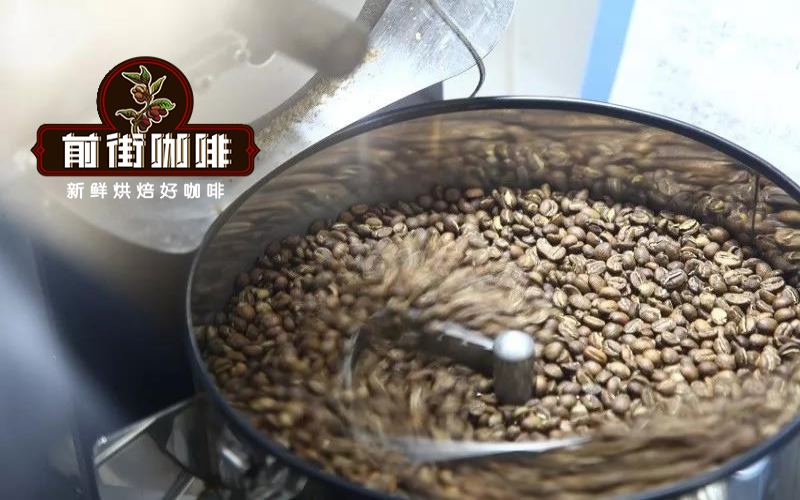
A Complete Guide to Coffee Bean Roast Levels: From Light Roast to Espresso, How Blue Mountain Coffee Achieves Neither Bitterness Nor Sourness
The roast level of coffee beans directly determines the flavor profile in the cup. From a light roast just shy of first crack to an espresso roast with oil on the bean surface, each stage gives coffee a completely different balance of acidity and bitterness as well as aromatic complexity. This article systematically breaks down eight mainstream roast levels—light, cinnamon, medium, high, city, full city, French, and Italian—explaining one by one their crack points, taste characteristics, and suitable growing regions, while offering bean selection advice based on specific Front Street Coffee products. In particular, it answers what roast level suits Blue Mountain coffee to achieve a balanced sweet-acidic-bitter profile that is neither bitter nor sour, and also covers roast choices for different brewing scenarios such as pour-over single origin, iced coffee, and café au lait, helping enthusiasts precisely match roast level to their flavor needs. [more…]
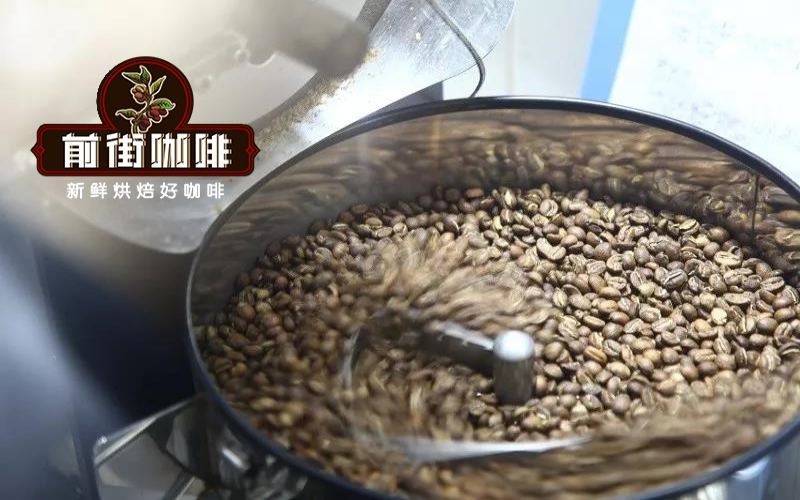
An Analysis of the Flavor Differences Between Light, Medium, and Dark Roasted Coffee Beans: Medium Roast Flavor Characteristics and Bean Selection Strategies for a Cup That Is Neither Sour Nor Bitter
The roast level of coffee beans directly influences the flavor direction in the cup. The darker the roast, the more the acidic compounds are destroyed, and caramel, smoky, and bitter notes gradually take over; the lighter the roast, the easier it is to preserve bright fruit acidity and floral aromas. For coffee lovers who neither like too much acidity nor want to taste bitterness, a medium roast is often the more balanced choice. So what flavor characteristics does medium-roast coffee actually have? And how do you distinguish between medium-light and medium-dark roasts? This article starts from the principles of roasting, combines them with the first crack milestone, sorts out the flavor differences among light, medium, and dark roasts, and offers specific Front Street Coffee bean recommendations to help you find the cup that suits you between acidity and bitterness. [more…]
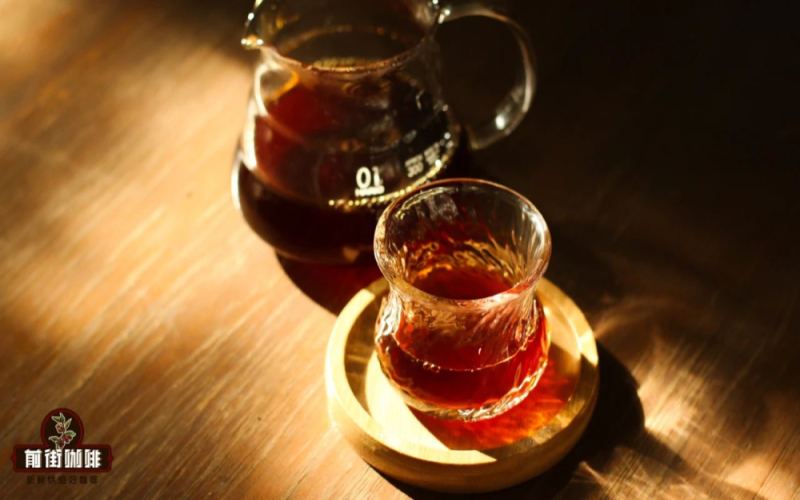
The Causes of Coffee Bitterness and a Material Analysis: Understanding Bitterness from a Roasting Perspective and Mastering Brewing Methods to Avoid Excessive Bitterness
Bitterness is often seen as a negative label for specialty coffee, but bitterness is not always a defect. From Front Street's perspective, this article systematically breaks down the sources of coffee bitterness—from "first crack" during roasting to the transformation between acidity and bitterness—explaining how dark-roasted beans present complex aromas like nut, caramel, and chocolate along with a full-bodied mouthfeel within their bitterness. At the same time, the article also offers practical brewing suggestions for avoiding coffee that is too bitter: using Golden Mandheling as an example, it recommends a water temperature of 86–88°C, a coarser grind, a Kono dripper, a 1:15 coffee-to-water ratio, and a two-minute extraction, while emphasizing details such as thorough blooming and slowing the pour, helping you preserve the charm of dark roasting while staying away from harsh, bitter, and muddy flavors. [more…]

Are Coffee Aftertaste and Sweetness Really the Same Thing? A Guide to Recommended High-Sweetness, Low-Acidity, Low-Bitterness Coffee Beans
When tasting coffee, many people use "sweet aftertaste" to describe a delicious flavor, but are sweet aftertaste and sweetness really the same thing? Starting from the concept of finish, this article will clarify the essential difference between sweet aftertaste and sweetness, and analyze the mechanism of sweet aftertaste formation and the principles of perception—it needs to be based on bitterness or astringency and can only be perceived through taste contrast. At the same time, the article will also explore the differences in finish performance between dark-roasted and light-roasted coffee, and recommend a number of Front Street selected coffee beans for friends who prefer flavors that are high in sweetness, low in acidity, and low in bitterness, helping you find the cup you love in your daily brewing. [more…]
How Coffee Roast Levels Shape Flavor: A Complete Guide from Light Roast to Espresso Roast
Green coffee beans themselves have almost no flavor; only through roasting can they release rich aromas and flavors. Different roasting levels directly affect coffee's acidity, bitterness, sweetness, and aromatic expression. This article will systematically introduce the eight levels from extremely light roast to Italian roast, analyze the flavor characteristics and representative bean types corresponding to each roast level, and delve into how the four major flavor elements—sweetness, bitterness, acidity, and aroma—affect the quality of a cup of coffee, helping you find the roast level best suited to your personal taste preferences. [more…]
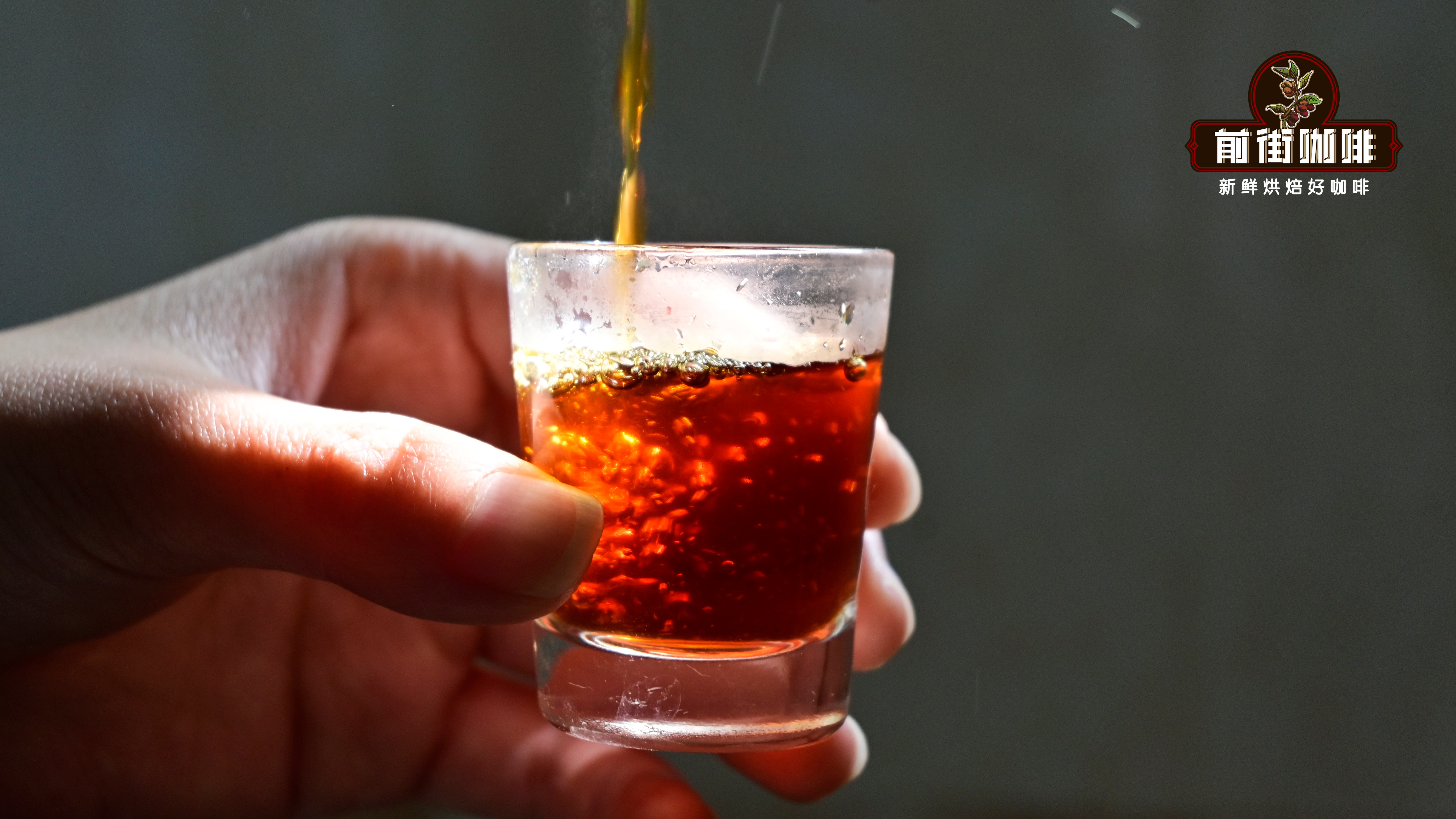
Where does the bitterness in medium-dark roasted coffee beans come from? And how should Mandheling and Blue Mountain be brewed to taste smooth?
The acidity in coffee comes from floral notes and fruit sugars, while the bitterness carries the deep notes of caramel, dark chocolate, and nuts—both determined by the degree of roast. After first crack, the longer the roasting continues, the more prominent the bitterness becomes. To brew a cup that is elegantly bitter with a rich, sweet finish, you need to fine-tune the grind, water temperature, coffee-to-water ratio, and pouring rhythm. Starting from the principles of roasting, this article explains the source of bitterness in medium-dark roasted coffee and provides brewing approaches and specific parameters for classic beans such as Mandheling and Blue Mountain, helping you avoid a deeply unpleasant bitterness and achieve a rich, smooth taste. [more…]
Where Does Coffee's Bitterness Come From? The Chemistry of Roasting and the Rise of Milk Coffee
Coffee has long transcended its role as a mere beverage, carrying with it an artistic flair and an aesthetics of living. Its color is like a nostalgic image, its aroma is dreamily alluring, and its taste varies from person to person, with each having their own preference. A cup of coffee contains more than thirty chemical substances, over half of which are trace elements beneficial to health. Together they give coffee its complex flavors of acidity, astringency, and bitterness. Since 1930, scientists have continuously investigated the effects of these chemical molecules on flavor, yet specialized research on bitterness has been relatively scarce. Thomas Hofmann of the Technical University of Munich in Germany conducted in-depth exploration to fill this gap, revealing how changes in chlorogenic acid lactones and phenylindanes at different roasting stages determine the intensity of coffee's bitterness. This discovery not only deepens our understanding of coffee but also provides a scientific basis for coffee manufacturers to reduce bitterness, promoting the combination of sugar cubes, milk, and coffee, and giving rise to classic milk coffee series such as cappuccino, mocha, latte, and macchiato. This article will guide you through the chemical mysteries behind coffee's bitterness and their impact on coffee culture. [more…]